
We had the privilege of visiting Cheney University to visit with Proffessor Hughes about his hydroponics program. As part of our community project, named “Sporhaus” we are exploring using hydroponics in a small community garden as a test project.
Aquaponics and Hydroponics Overview
- Herban Farms Partnership: A locally owned, family-run basil grower operating a 10,000-square-foot greenhouse on the Cheyney University of Pennsylvania campus. [1, 2]
- The Growing Method: Basil plants float on top of nutrient-rich water pools connected to tanks housing thousands of tilapia (roughly 2,500+ fish), which supply natural nutrients for the plants. [1, 2]
- Commercial Output: The facility produces fresh basil year-round, which is sold to local grocery stores and markets, alongside market-weight fish utilized locally or sold to vendors. [1, 2]
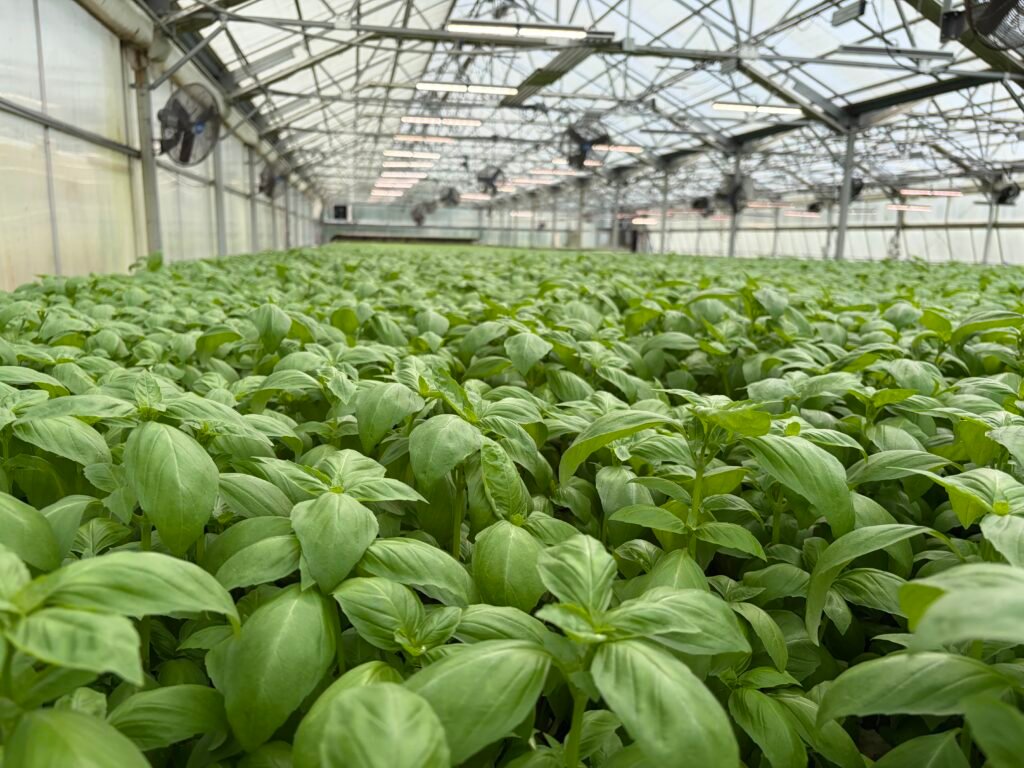
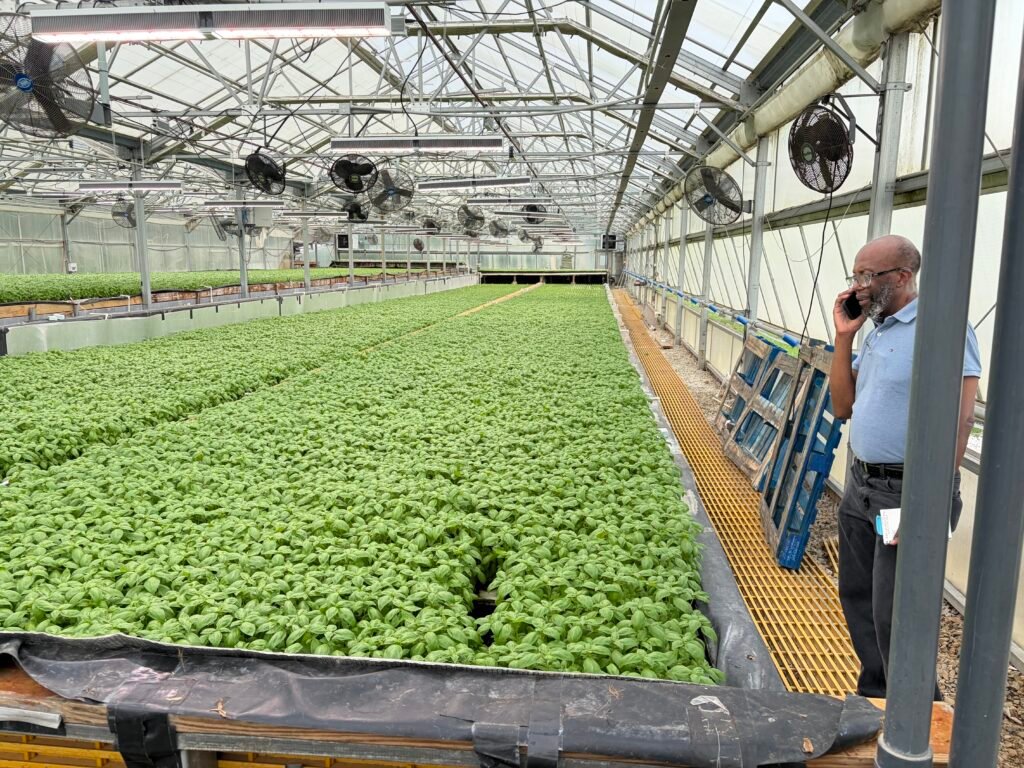
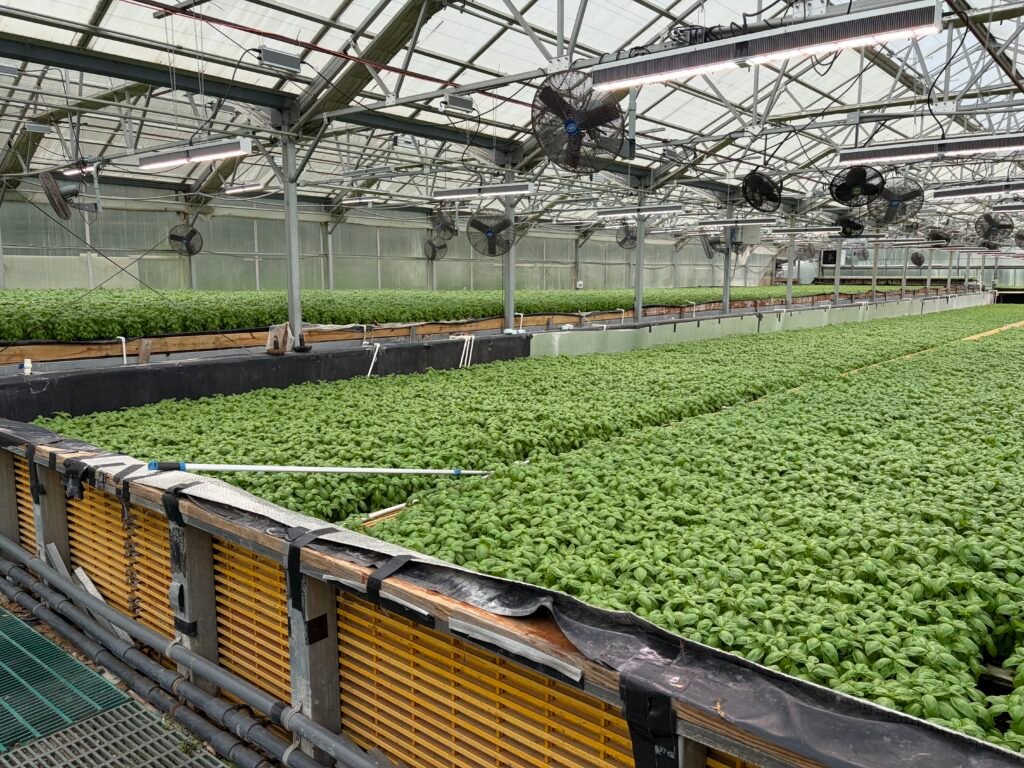
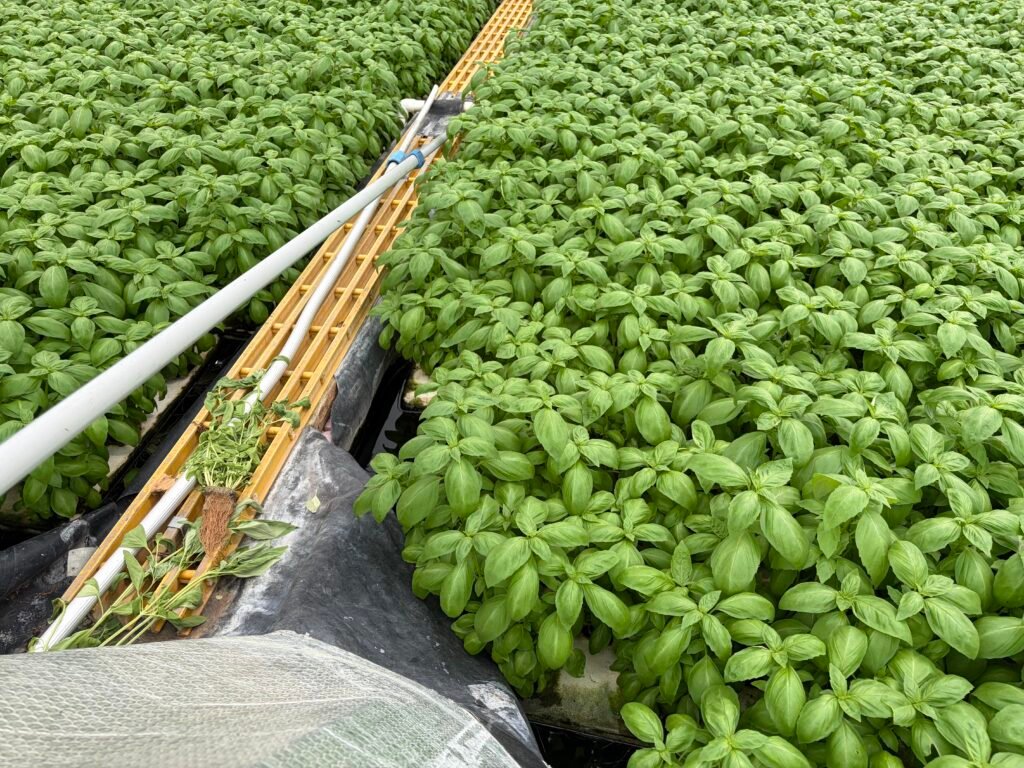
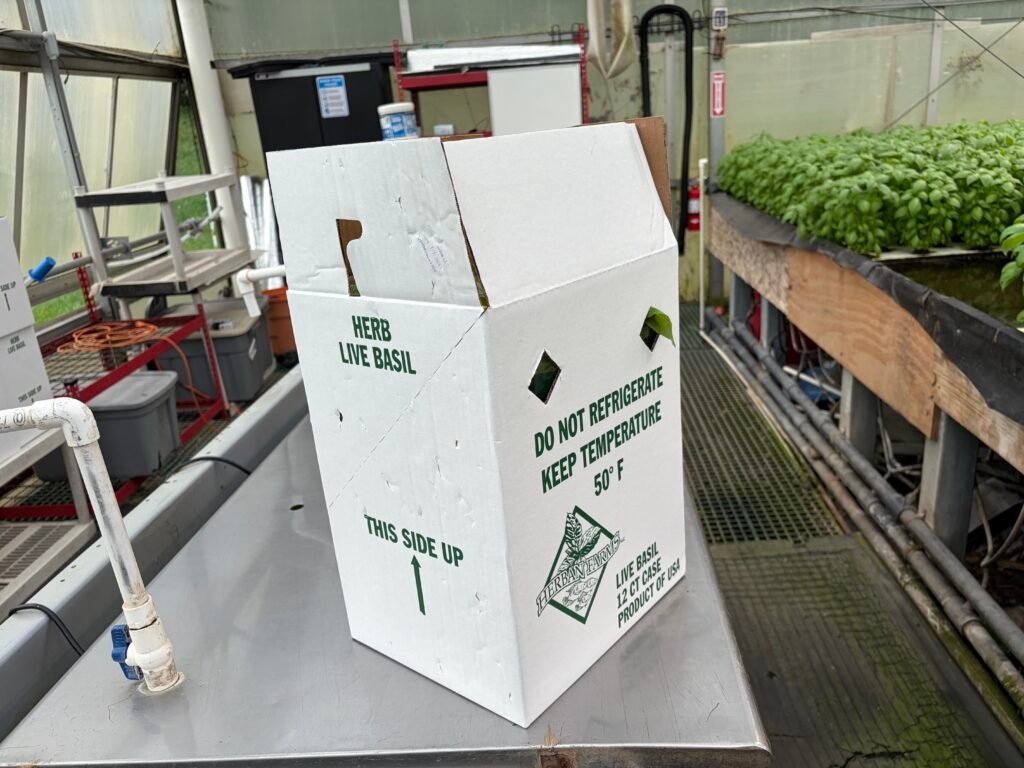
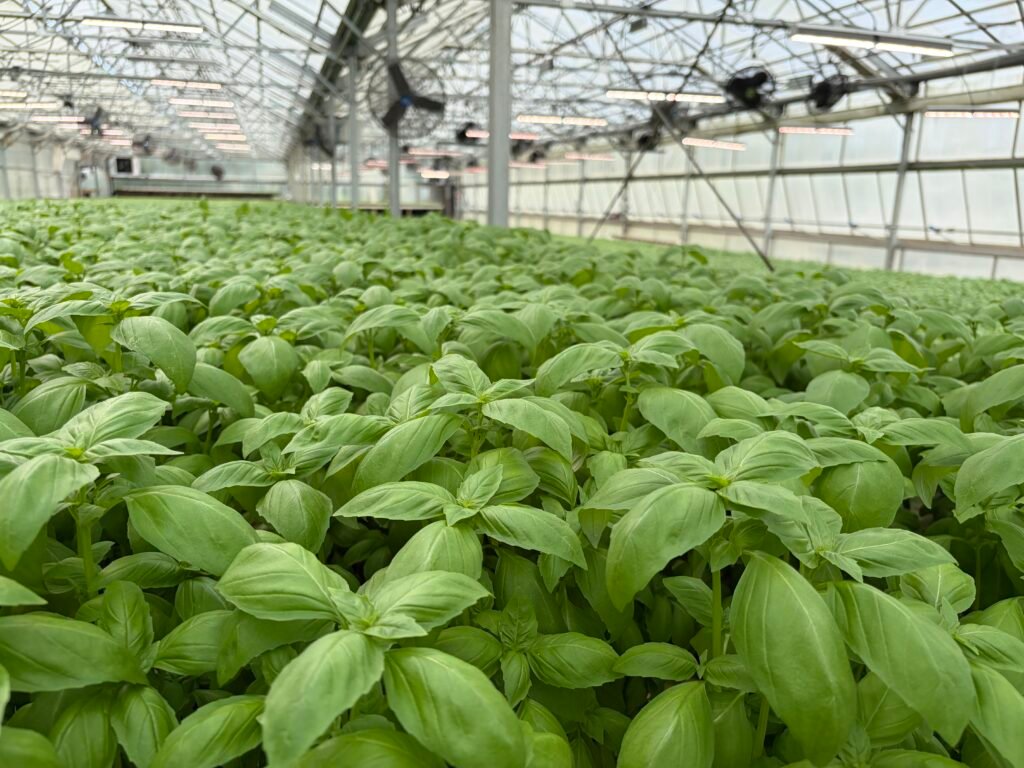
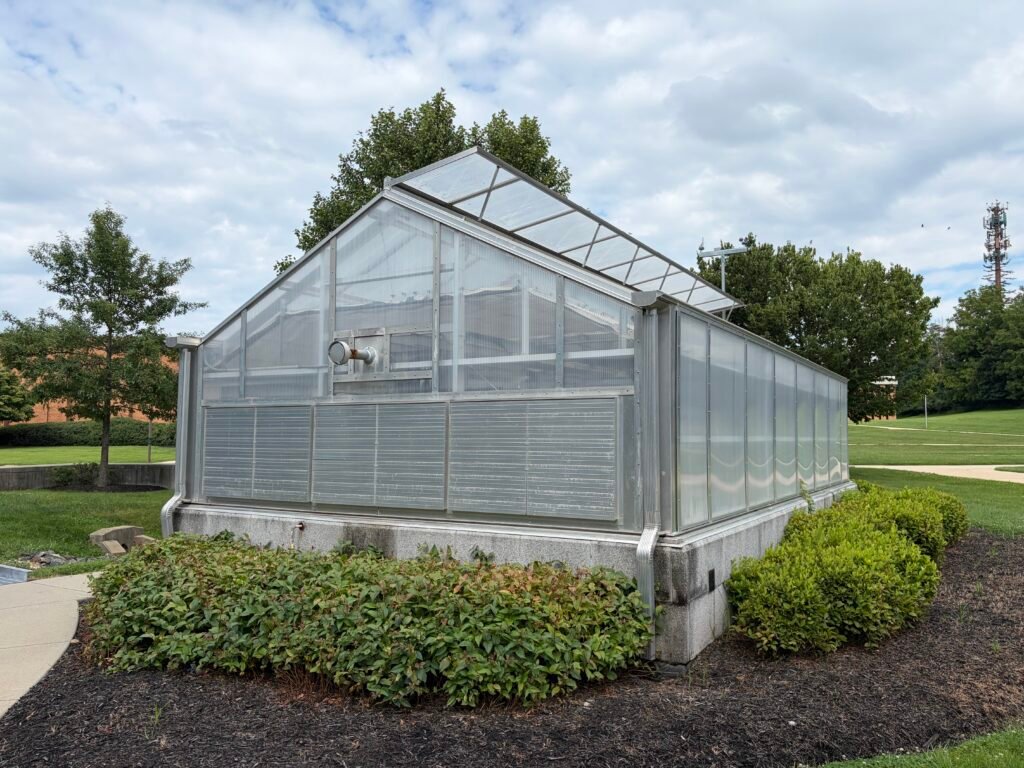
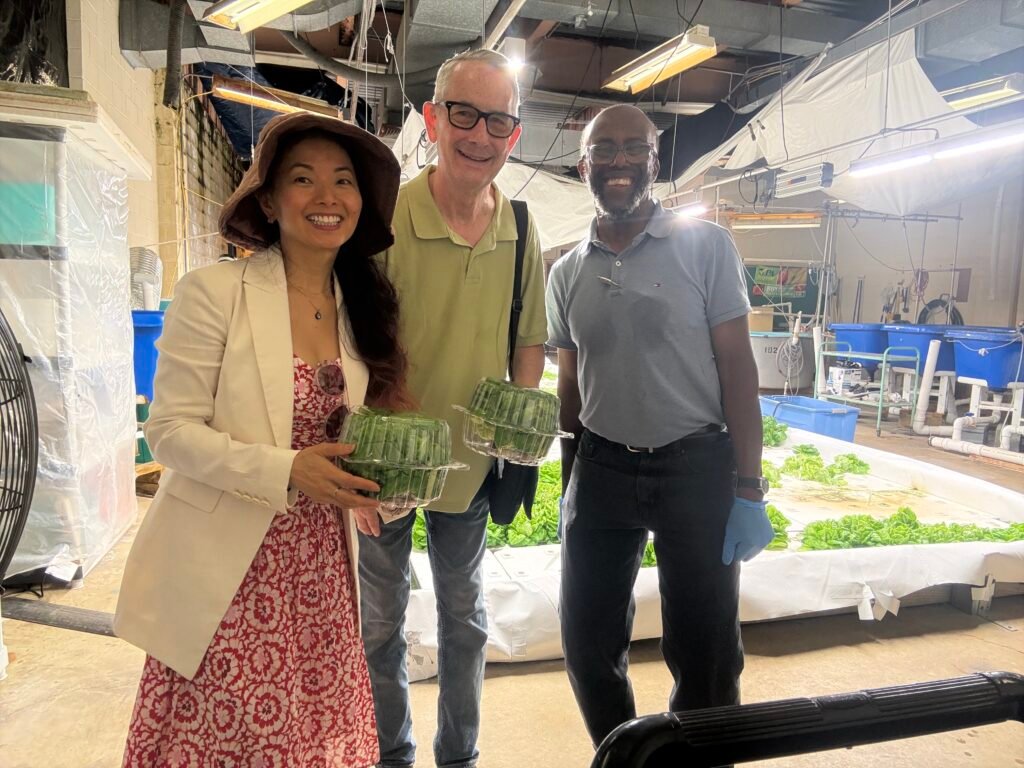
We visited Cheyney University to learn about their hydroponics program. Professor Hughes kindly gave us a tour of both the lab and the production greenhouse for Herban Gardens on the campus.
Cheyney University of Pennsylvania features integrated hydroponics and aquaculture—known as aquaponics—primarily through its Aquaculture Research & Education Laboratory (AREL) and an on-campus partnership with Herban Farms. [1, 2, 3]
Research and Education
- AREL Laboratory: Directed by faculty Steven Hughes, the Aquaculture Research & Education Laboratory (AREL) gives STEM students and faculty hands-on experience building, maintaining, and studying integrated aquaculture and hydroponic